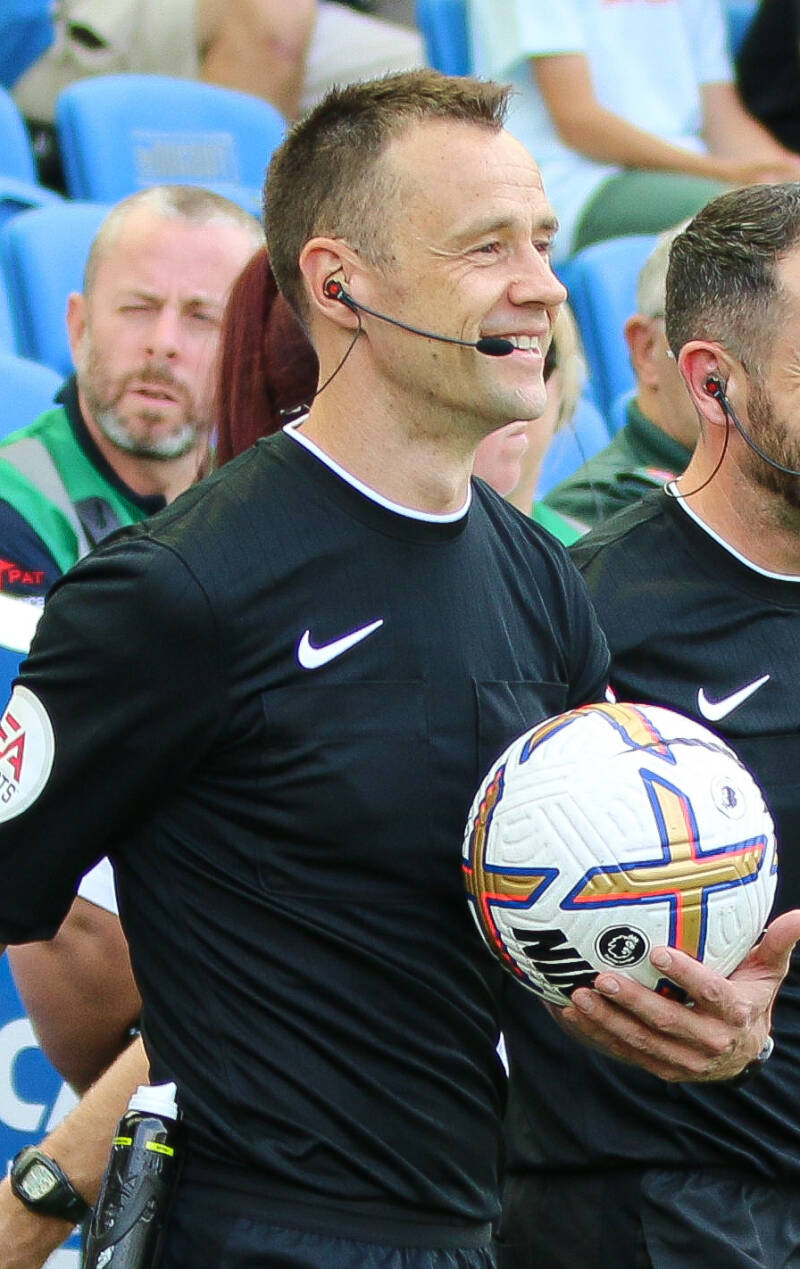
Image: jamesboyes, Wikimedia Commons, CC BY 2.0
Is VAR Good For Football ?
What is VAR?
VAR(Virtual Assistant Referee), was introduced to the Premier League in 2019 and was designed to stop "clear and obvious errors". However, over the last few seasons, it has come under much scrutiny for getting these wrong and disrupting the flow of the game. VAR is connected to the referee and look at plays at Stockley Park in London. Despite most simple checks taking a few minutes, but more tight cases, they take really long (up to 8 minutes), to make decisions; which adds on extra time and holds up play.
The Good
Despite being heavily criticised, VAR still helps the game and reduces refereeing errors and has 97% accuracy according to the Premier League. It has helped make the game fairer and make sure that the rules are enforced. Also, it reduces pressure on referees having to deal with the VAR, the other players and the fans shouting abuse at them. VAR also helps with tight offside calls, in which the linesman might not get and also can see in better detail bad tackles and if they are deemed red cards. It is there to stop obvious errors from the officials and get the correct, fair decision on the game. It leads to fairer outcomes and stops violent conduct the officials may possibly miss as their focus is elsewhere.
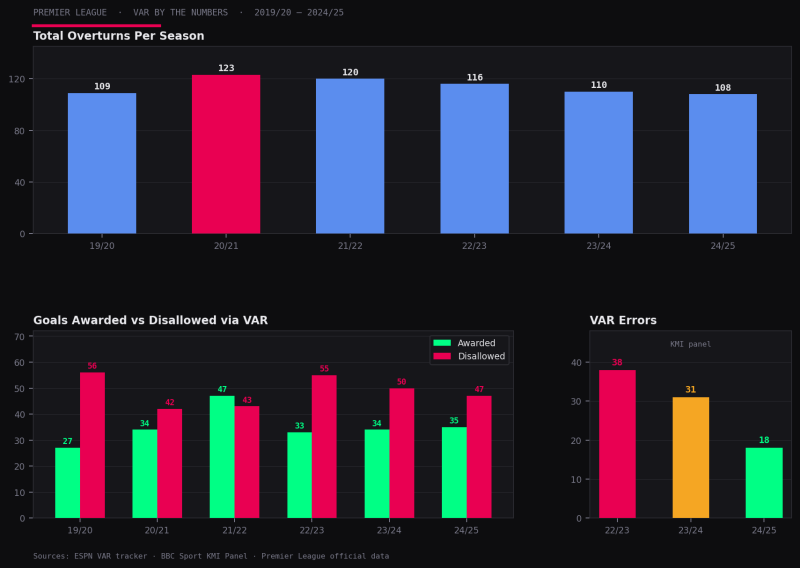
When making an on field choice, officials only have their view on the incident and that view could be hindered or not clear enough. VAR eliminates that as they have multiple, clear angles so the referee can see clearer footage from the play. It also creates added consistency across the league. Especially for factual decisions, for instance, if the ball crossed the line. Looking at the data, it also is showing that VAR errors are going down, which is showing that they are improving and over the next few years, it hopefully will be more reliable.
The Bad
Despite being introduced to stop errors, VAR makes errors too and controversial ones in key moments. For example they disallowed an extremely controversial West Ham equaliser in the 97th minute against Arsenal which had a massive say on the top and bottom of the table. It took a five minutes to get the decision and overall ruined the celebrations you get when you score a goal of that importance. Weather they got the right choice is a different story. Behind the scenes, the Arsenal players were grappling the West Ham players whilst all this was going on. However the very light foul on the keeper was enough to disallow the goal. One of the most infamous wrong calls was Ivan Toney's offside goal in a 1-1 draw with Arsenal in 2023 in which Christian Nørgaard was involved in the build up and assisted the goal,from an offside position.
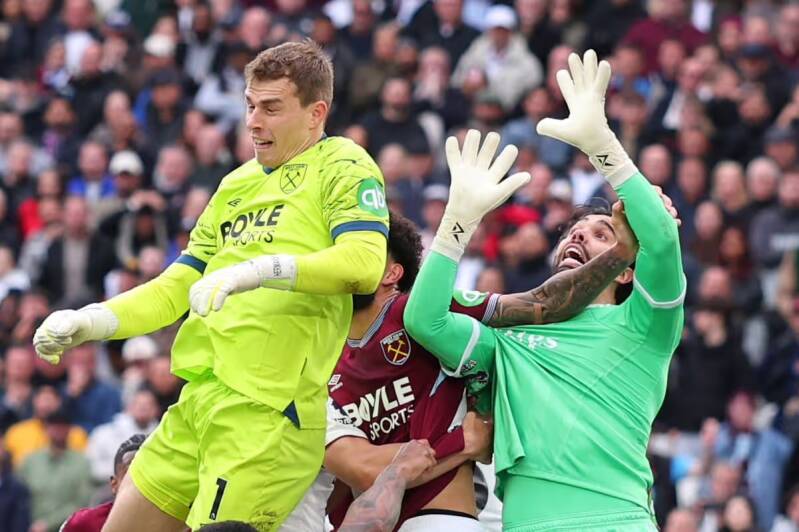
Image: Marc Atkins, Getty Images

Image: BBC
As you can see, even without lines Nørgaard is clearly in front of the last defender making it blatantly offside which you can see with the naked eye. VAR forgot to draw the lines which resulted in dropped points for Arsenal in a season they were fighting for the title. No matter where this is, this is unacceptable and a Sunday League linesman would have got it right as it's clearly offside. VAR also disrupts the flow of the game. With the average check for a posssible infringement on a goal taking upwards of 2 minutes, it takes away that joy, that ecstasy that we love in football. For example arguably one of the most tightest calls stopped Coventry coming from 0-3 down to beat Man United 4-3 in the dying embers of Extra Time in the FA Cup semifinal.
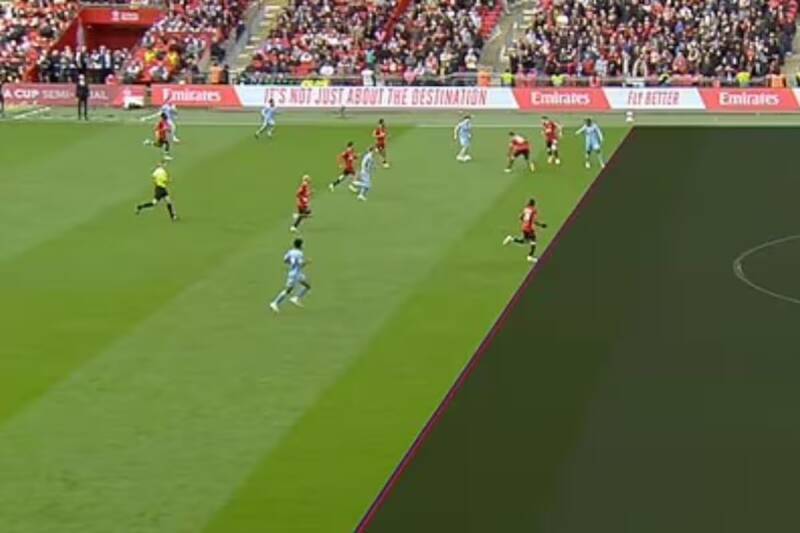
Image: ITV
It is unbelievably close and it ruined the amazing celebrations on what would have been arguably the most epic comeback in FA Cup history. VAR holds up celebrations and makes you wait for the all clear. That's not what football is about Football is about the fans, the moments, the goals and should someone's toenail ruin that, or are the rules the rules and football should be run properly and offiated more closely?
Should VAR Stay In Football?
Whether VAR should stay in football is very subjective, many fans want it gone as it makes the game stop-start. However, in 2024, the clubs voted and 19 voted to keep it. This may be because it can leverage them by getting a player sent off or getting a goal chalked off for their opponents but it also means they can be on the end of it and on their mistakes. VAR can be used well but when they get it wrong or take ages, they might as well just stick with the referees decision to keep the game flowing and only focusing on the clear and obvious errors or potentially invest in better equipment and us ex-players to use their expertise.